Source Wiring Terminal Blocks for Electronics, Automotive, and Home Appliances
Compare 25 wiring terminal blocks from verified Chinese manufacturers. These products support signal transmission and electrical conduction across communications, automotive, and home appliance applications with customizable options and various certifications like VDE, UL, and RoHS available for different industrial needs.
Key considerations
Products List




Comprehensive Sourcing Guide
Wiring Terminal Blocks Sourcing Guide
Product Scope and Observed Listing Signals
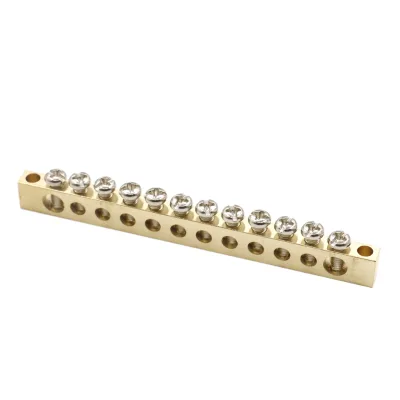
The market for wiring terminal blocks encompasses a diverse array of components designed for secure electrical connections, ranging from simple socket terminals to complex wiring harnesses. Listings frequently highlight specific shapes such as U, T, rectangular, and square configurations, indicating that buyers must carefully match physical geometry to their panel or board requirements. The observed product range includes items characterized by their insulation properties and their primary function to conduct electricity and transmit electrical signals, ensuring reliable data and power flow in various setups.
Commercial signals suggest a high degree of customization is available, with many suppliers offering OEM services and the ability to map custom designs. Materials observed include copper for wire cores and corrugated pipe for bandaging, pointing to a focus on durability and signal integrity. The industry type often cited is communications wiring harness, suggesting these components are critical for robust electronic, automobile, computer, home appliance, and RF applications where signal transmission is paramount.
Technical Specifications to Verify
Buyers must rigorously verify the interface type and material composition to ensure compatibility with existing systems. The interface type is predominantly AC/DC, which dictates the voltage and current handling capabilities of the terminal. Material specifications often cite copper for the core, which is essential for low-resistance conductivity, while other listings mention steel wire cores or specific bandaging materials like corrugated pipe. It is crucial to confirm whether the terminal is CNC machined or produced via injection molding, as this affects precision and cost.
Model numbers and standards provide a baseline for technical evaluation, with observed models including H type, U type, QF-167, HM228-05, and TBS. Standards such as 4-6/10.0"R" AWG 10-20 indicate specific wire gauge compatibility, which must align with the buyer’s wiring infrastructure. Additionally, the shape of the terminal—whether rectangular, square, or specialized forms like T or U—must be verified against the mating connector or busbar design to prevent mechanical fit issues during assembly.
Compliance and Safety Documentation
Certification is a non-negotiable aspect of sourcing electrical components, and buyers should demand proof of relevant safety and environmental standards. Observed certifications include VDE, UL, and BS, which are critical for markets in Europe and North America. Other listings mention CCC, ISO, RoHS, and Reach compliance, indicating adherence to strict environmental protection and hazardous substance restrictions. Verifying these documents ensures that the terminals meet the legal and safety requirements of the destination market, reducing liability and ensuring product acceptance.
Beyond certifications, buyers should assess the environmental protection characteristics of the materials used. The presence of RoHS and Reach standards suggests that the manufacturing process minimizes toxic substances, which is increasingly important for global supply chains. It is advisable to request current test reports or certificates of conformity for each batch, as compliance status can change. Ensuring that the supplier maintains these certifications actively protects the buyer from regulatory penalties and supply chain disruptions due to non-compliant goods.
Cost Drivers and Commercial Terms
Pricing in this sector is influenced by material costs, customization levels, and order volume. The observed price range is broad, reflecting the difference between standard off-the-shelf terminals and custom-engineered solutions. Minimum Order Quantities (MOQ) vary significantly, ranging from small batches for prototyping to large volumes for mass production. Buyers should negotiate based on their volume commitments, keeping in mind that higher customization often leads to higher MOQs and unit prices due to setup costs for injection molding or specialized assembly.
Packaging and shipping terms also impact the total cost of ownership. Products are typically packed in cartons, plastic bags, or wooden cases, with some listings specifying 10PCS/Bag with labels and export cartons. Efficient packaging reduces damage risk and shipping volume, which can lower freight costs. Buyers should clarify whether samples are free and how they are shipped, as this can affect initial evaluation costs. Understanding the full commercial terms, including payment methods and lead times, is essential for accurate budgeting and inventory planning.
Supplier Qualification and Quality Control
Supplier qualification requires a thorough review of their production capabilities and quality management systems. Many suppliers are located in Zhejiang, China, a hub for electrical component manufacturing, which offers access to established supply chains. Buyers should verify the supplier’s ability to handle OEM requests and their experience in producing high-quality terminals for industries like communications and automotive. Asking for references or case studies from similar industries can provide insight into their reliability and technical competence.
Quality control processes should be explicitly defined in the purchase agreement. Buyers should inquire about incoming material inspections, in-process checks during injection molding or crimping, and final random inspections before shipment. The mention of "High Quality" attributes in listings is a claim that must be substantiated by the supplier’s internal QC protocols. Establishing clear acceptance criteria and defect rates before production begins helps mitigate the risk of receiving substandard products and ensures that the terminals meet the required performance standards.
Long-Term Procurement Checks
Long-term success depends on establishing a stable supply chain that can adapt to changing market demands. Buyers should regularly review supplier performance metrics, including on-time delivery rates, defect rates, and responsiveness to technical queries. Maintaining open communication channels allows for early identification of potential issues, such as material shortages or production delays. It is also advisable to diversify suppliers for critical components to reduce dependency on a single source and enhance supply chain resilience.
Continuous improvement should be encouraged through periodic audits and feedback loops. Buyers can work with suppliers to optimize designs for manufacturability, reducing costs without compromising quality. Staying updated on evolving industry standards and certifications ensures that the sourced terminals remain compliant with future regulations. By fostering a collaborative relationship with qualified suppliers, buyers can secure a reliable source of high-quality wiring terminal blocks that support their long-term operational goals and product integrity.
FAQs
What certifications are available for these wiring terminal blocks?
These wiring terminal blocks feature VDE, UL, and BS certifications. Additional options include CCC and ISO RoHS standards. These credentials ensure compliance with international safety and quality requirements for electrical components used in various industrial and commercial applications.
Can these terminals be customized for specific projects?
Yes, customization is available for these wiring terminal blocks. Buyers can request specific shapes, such as U, T, or rectangular forms. The manufacturer accepts OEM orders and can map custom designs to meet unique engineering specifications for diverse wiring harness needs.
What materials are used to construct these terminals?
The primary material for these terminals is copper, ensuring excellent electrical conductivity. Some related harness components may utilize steel wire cores or corrugated pipe bandaging materials. These materials are selected for durability, signal transmission efficiency, and resistance to environmental factors in wiring systems.
Where are these wiring terminal blocks manufactured?
These products originate from Zhejiang, China, specifically Wenzhou. This region is a known hub for electrical component manufacturing. The location supports efficient production processes like injection molding, ensuring consistent quality and reliable supply chains for global buyers seeking high-quality terminal blocks.
What is the typical packaging for these terminals?
Packaging options include cartons, plastic bags, and wooden cases. Specific configurations may involve 10 pieces per bag with labels and export cartons. This flexible packaging ensures safe transit and protection for the terminals, accommodating various order sizes and logistical requirements for international shipping.
Which industries use these wiring terminal blocks?
These terminals serve communications wiring harnesses, electronics, automobiles, computers, home appliances, motorcycles, and RF applications. Their versatile design supports signal transmission and electricity conduction across multiple sectors, making them suitable for complex wiring harness assemblies requiring reliable electrical connections and signal integrity.